Mar 19, 2012 | Missions, Travel
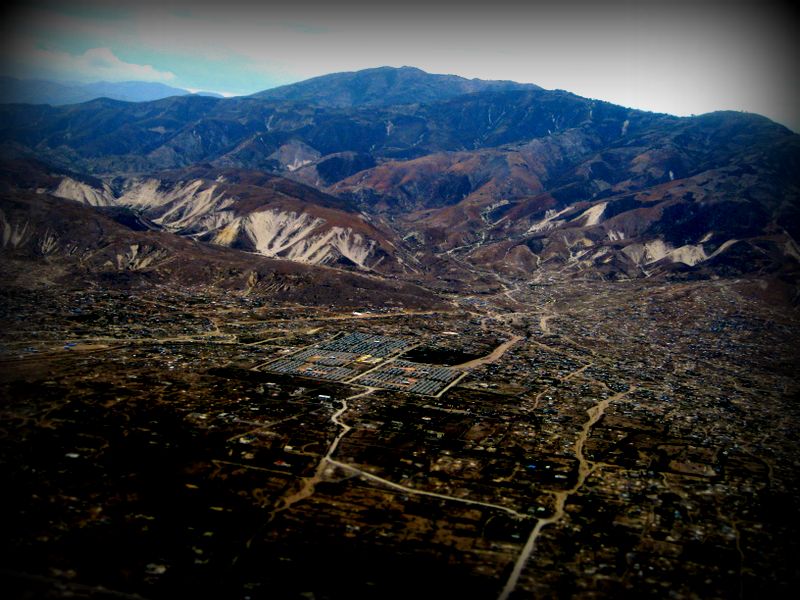
Titanyen [tee-ta-yahn] is a settlement in Haiti, north of the capital, Port-Au-Prince and some eight Kilometers from Cabaret. It has been described as sparsely populated. Fields outside of the settlement were chosen as the site of mass graves dug for victims of the 2010 Haiti earthquake. In the Haitian Creole language, the word Titanyen means less than nothing.
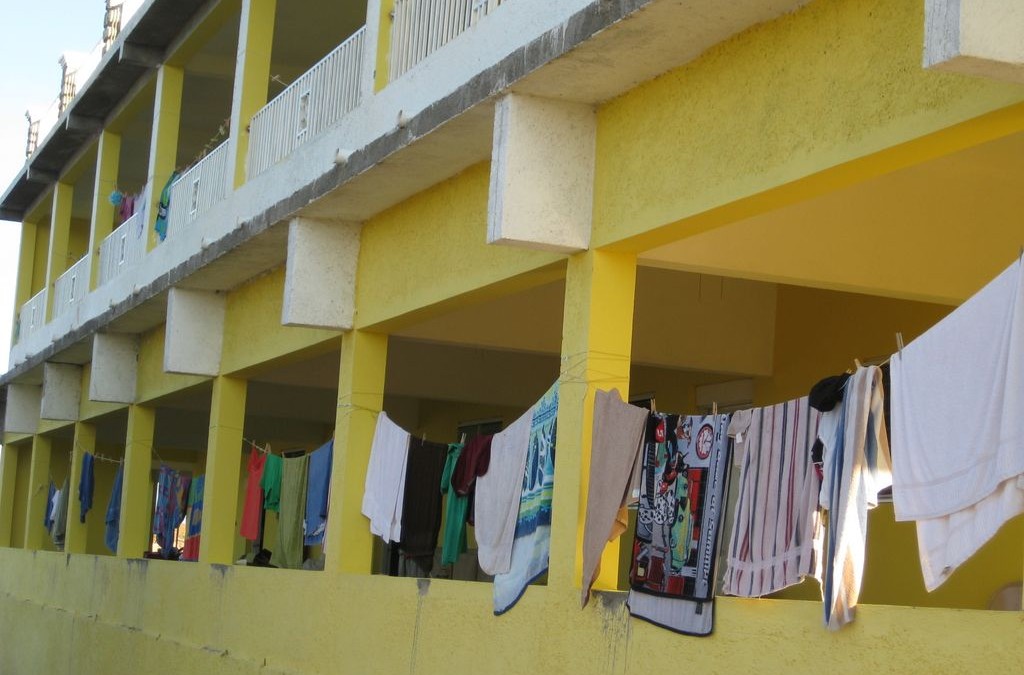
It is not a widely known fact: 60% of the world does not have a toilet with plumbing. Most Titanyen toilets appeared to consistent of a hole in the ground covered by the lid of a metal cooking pot. When you do have to use the toilet, you simply remove the lid. This action releases thousands of flies and insects, and also a pungent, dense floor of non-breatheable air. It’s notable that this was the experience at the home of one of the wealthiest homeowners in town: an ambulance driver. The 800 square foot home with small fenced yard offered the same lidded toilet as described, with (again) no flusher. However, at this home we did encounter various luxuries that we had not seen at any other place, to include: a working gas stove, electricity, a small television, a DVD player, musical instruments, and cushioned furniture.
Mar 18, 2012 | Missions, Travel
No omnium pertinacia reprehendunt cum. Mentitum pertinax erroribus duo te, natum ferri mei ne, veri iudicabit per ut. Omnis rebum nominavi his ne, ex vero aeterno instructior sit.Eu qui aliquam laoreet, te mea timeam disputationi. Mel no vocibus mediocrem, pro nihil euismod omittantur ut.
Omnis tollit pri te, vim dico iudico audiam et, sit latine dissentiunt cu. Qui cu erant admodum conclusionemque.
Mar 17, 2012 | Missions, Travel
Nec eu accumsan signiferumque, nam id elitr fuisset convenire. Vix utamur nusquam voluptatibus an, agam prima brute no usu. Nec lucilius reprimique cu. No omnium pertinacia reprehendunt cum. Mentitum pertinax erroribus duo te, natum ferri mei ne, veri iudicabit per ut. Omnis rebum nominavi his ne, ex vero aeterno instructior sit.
Omnis tollit pri te, vim dico iudico audiam et, sit latine dissentiunt cu. Qui cu erant admodum conclusionemque. Eu qui aliquam laoreet, te mea timeam disputationi. Mel no vocibus mediocrem, pro nihil euismod omittantur ut.
Mar 17, 2012 | Missions, Travel
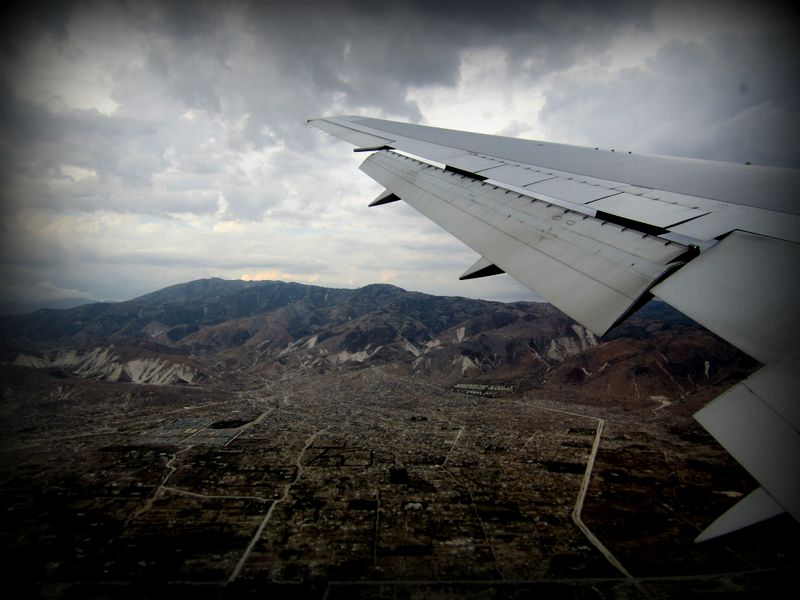
We rode the Super Shuttle to Reagan Airport at 230AM in order to catch the flight to Port-Au-Prince [PAP] at 6AM. I opted to not sleep so that I could try to solve some potential issues with luggage, and also to try to again minimize the amount of personal things that I thought I needed to take.
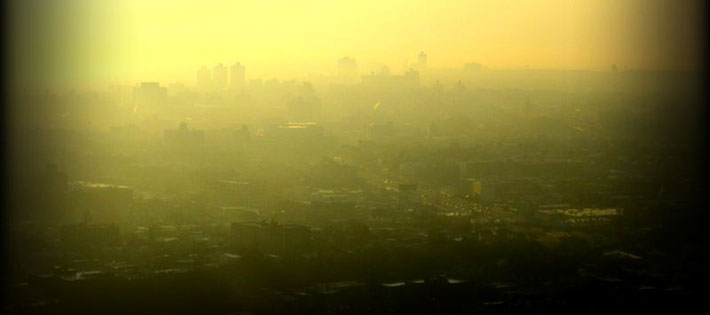
We encountered some fog…
Mar 13, 2012 | Missions, Travel
We want to share some exciting news regarding a mission trip that we plan to join in the country of Haiti!
We will make the trip with Mission of Hope, an organization that has worked for more than 15 years in Haiti providing homes for orphans, spreading the gospel and providing food, medicine, and education for underprivileged Haitians. We depart early morning on Saturday, March 17, and return next week.
Haiti has so many needs. While in Haiti, we have the opportunity to:
- Work in an orphanage that houses around 60 children
- Work on homes for those displaced by the earthquake
- Spend time ministering to children living in a number of orphanages
- Share love and compassion with the people of Haiti
So Far, we’ve collected:
Church clothes for boys
- 40+ pairs of pants
- 20+ oxford shirts and polos
- shorts, dress jackets, shoes, ties
Church clothes for girls
- 13 dress pants
- 12 tops
- 8 dresses
- polos, accessories
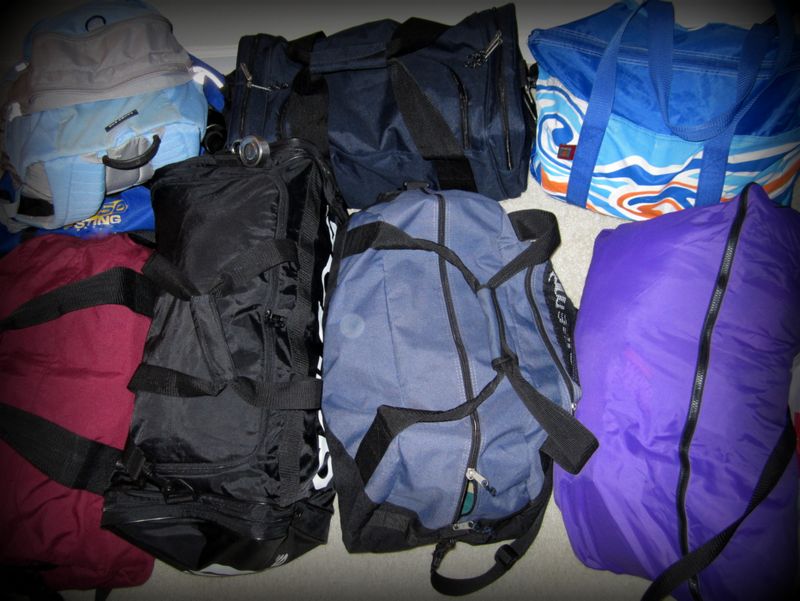
In the coming week, we expect the number of items to grow to a level that could provide something for every child in the orphanage. Added to this outpouring of resources that we can bring to bear is the additional carrying weight in our growing number of bags!
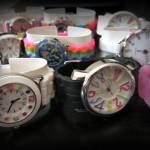
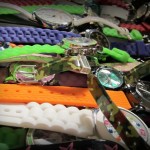
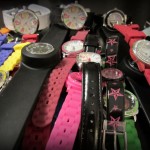
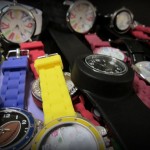
One of the most exciting things happening right now is that we’ve been able to work collect about half of the sixty watches needed for the orphans. There are only a couple of days left until departure (I know this is really short notice), but it now feels like sixty watches are within our grasp and I wanted to reach out to a few more people to see if we could do it. It would be really great if we could arrive with a watch for every orphan.
For those who don’t have time for that, we’re also collecting money (even small sums have the potential to really help Haitians) to use to go out and buy watches by Friday, before we depart.
In addition, we are working to collect a number of items to bring for distribution to Haitians, to include items for use by boys and girls ages 6-14 years: toiletries (deodorant, bar soap, toothpaste, shampoo, combs, toothbrushes, disposable razors), and miscellaneous items (clothes pins, machine-sewing needles and hand-sewing needles, high-quality thread, pin cushions, mosquito netting) for some adult amputee staff and entrepreneurs.
If you are able to help, you can provide items, funds via check/PayPal so that it arrives before Friday, March 16, and be sure to let us know how you would like your support directed: toward watches, travel, or miscellaneous items.
Any support is greatly appreciated, and we are learning that even a little goes a long way for Haitians. If you are unable to give at this time, your thoughts and prayers are just as welcome! We look forward to the hard work, and to doing our best to make a difference.
If you have questions, or want more specifics/ideas for how to help, please contact us any time.
Feb 15, 2012 | Missions, Travel
Haiti Facts
GEOGRAPHY
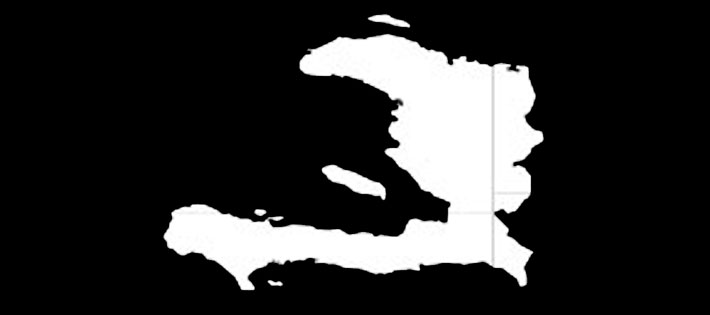
Haiti occupies the western third of the Caribbean island of Hispaniola, sharing a border with the Dominican Republic. It sits about 700 miles off the coast of Miami and occupies an area just slightly smaller than the state of Maryland.
CAPITAL
Port-au-Prince
CLIMATE
Being a tropical climate, Haiti is hot and humid during most months of the year. Some areas of the country, however, can be almost desert-like and dry where the mountains cut off the trade winds.
TERRAIN AND ENVIRONMENTAL ISSUES
Most of Haiti is rugged and mountainous. Mass deforestation and poor environmental controls have left large areas of the country bare and contributed to large-scale loss of topsoil. Much of the remaining forested land is being cleared and used as fuel.
NATURAL HAZARDS
Haiti lies in the middle of the hurricane belt and subject to severe storms from June to October. In 2010, Haiti experienced a magnitude 7 earthquake.
DEMOGRAPHICS
Haiti has a very large young population, in part because of a high birthrate and shorter life expectancies – 37% of Haitians are younger than 14, 59% are between 15 and 64 years old, and just 3% are 65 and older.
POPULATION
Over 9 million people live in Haiti.
ECONOMY
Haiti is the poorest country in the Western Hemisphere. More than two-thirds of the population is unemployed. Its main exports are apparel, oils, cocoa, mangoes and coffee.
LANGUAGES
Haitian Creole, French
RELIGION
Roughly 80 percent of Haitians are Roman Catholic, while fewer than one in five claims to be Protestant. Roughly 95 percent of Haitians – regardless of religious affiliation – hold at least some Voodoo beliefs or superstitions.
HISTORY
The native Taino Amerindians inhabited the island of Hispaniola when it was discovered by Columbus in 1492. Within 25 years the Taino Amerindians had been virtually annihilated by Spanish settlers. In the early 17th century, the French established a presence on Hispaniola. Haiti became a bustling French colony, based on forestry and sugar-related industries, Haiti became one of the wealthiest colonies in the Caribbean but only through the heavy importation of African slaves and considerable environmental degradation. African slaves were imported by the thousands to work on sugar, tobacco and coffee plantations. A long and violent slave uprising finally led to Haitian independence in 1804. Haiti became the first black republic to declare independence. However, the country could not revive its profitable plantation economy. Haiti has been plagued by political violence for most of its history. Haiti endured a series of occupations by U.S. Marines and, beginning in the 1950s, a period of rule by brutal dictators François “Papa Doc” Duvalier and “Baby Doc,” his son. During that period, an estimated 30,000 Haitians were killed for being opponents of the Duvalier regime. The country returned to a few brief months of democratic rule under President Jean-Bertrand Aristide, who was temporarily overthrown in a coup that eventually led to intervention by the United Nations, which continues today. Haitians currently live with a tentative restored government and a demobilized military. In 2008 Haiti was hit by four tropical storms back-to-back, which severely damaged the transportation infrastructure and agricultural sector. Then on January 12th, 2010 a massive magnitude 7.0 earthquake struck Haiti with an epicenter about 15 km southwest of the capital, Port-au-Prince. The earthquake is assessed as the worst in this region over the last 200 years; massive international assistance is required to help the country recover.



Recent Comments